You’ve probably heard it before: exercise is good for everything. Your heart, your mood, your waistline. But what about your hair?
It’s a reasonable question. If cardio improves circulation and circulation feeds your follicles, shouldn’t a few runs per week translate to thicker hair? The answer is more nuanced than the wellness industry would have you believe.
Exercise does increase blood flow to your scalp. That part is true. But whether that translates to measurable hair growth depends on the type of exercise, your hormonal baseline, and, critically, the health of your follicle environment. Circulation only helps if the follicles can actually use what the blood delivers.
This article examines the circulation research, the hormonal effects of different exercise types, and what realistic expectations look like. We’ll also cover why improved blood flow won’t overcome certain environmental barriers, like mineral buildup on the scalp that blocks nutrient delivery no matter how much you run.
How Exercise Affects Scalp Circulation
When you exercise, your heart rate increases. That’s obvious. What’s less obvious is how that affects the thousands of tiny capillaries feeding your scalp.
During aerobic activity, cardiac output can increase by 400-500% compared to rest. Your body prioritizes blood flow to working muscles, but the scalp isn’t ignored. Studies using laser Doppler flowmetry show that scalp microcirculation increases significantly during moderate-intensity cardio, with blood flow remaining improved for 30-60 minutes post-exercise.
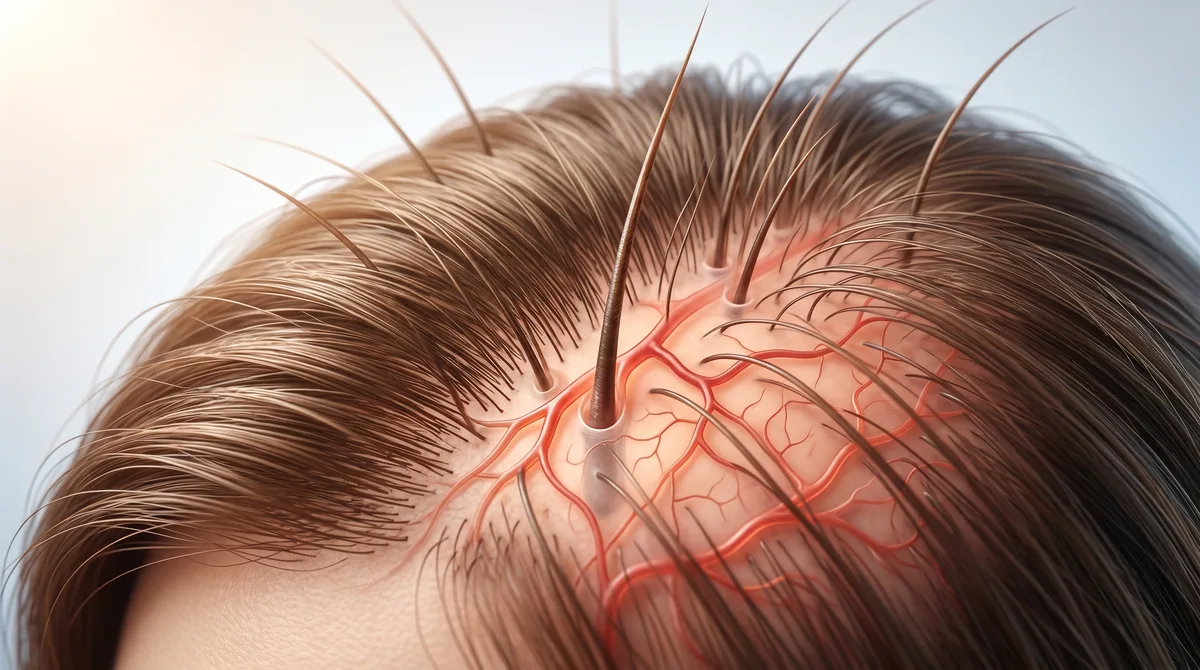
This matters because hair follicles are metabolically active. They need oxygen, glucose, amino acids, and micronutrients delivered via blood. The dermal papilla, the structure at the base of each follicle, is essentially a nutrient hub. Better circulation means better delivery.
But here’s the catch: the effect is temporary. Once you stop exercising and your heart rate returns to baseline, so does scalp blood flow. There’s no evidence that a single workout creates lasting changes in follicle perfusion. The benefit comes from consistency, regular exercise maintains better baseline circulation over time.
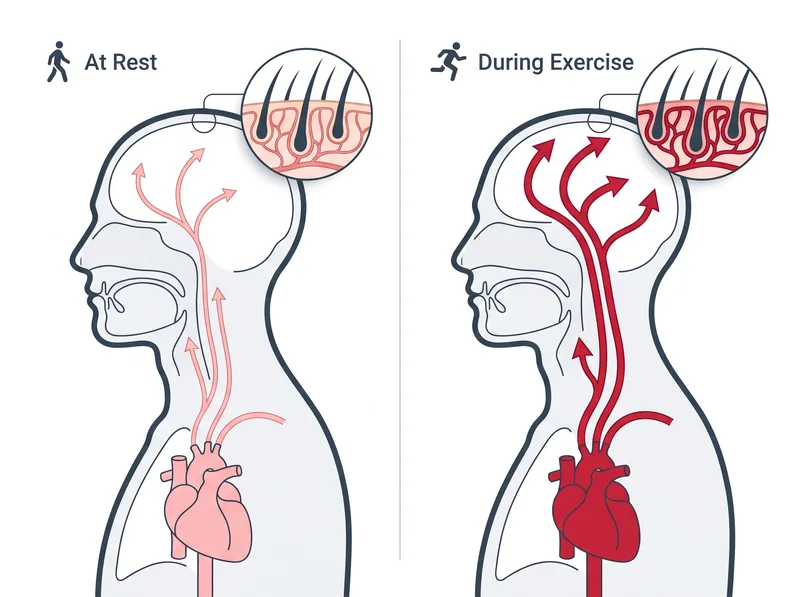 Aerobic exercise temporarily increases cardiac output, delivering more oxygen and nutrients to scalp follicles through enhanced microcirculation.
Cardio vs Resistance Training: Different Hormonal Impacts
Not all exercise affects hair the same way. The type of training you do influences your hormonal profile, and some of those hormones directly impact follicle behavior.
Moderate aerobic exercise, think jogging, cycling, swimming, tends to reduce systemic inflammation and lower cortisol levels over time. It also improves insulin sensitivity, which indirectly supports hair health by reducing androgen activity. A 2019 study in the Journal of Clinical Endocrinology found that regular moderate cardio reduced circulating DHT (dihydrotestosterone) in men with metabolic syndrome.
Resistance training and high-intensity interval training (HIIT) are different stories. These modalities acutely improve testosterone and DHT, both of which can accelerate hair loss in people genetically predisposed to androgenetic alopecia. A 2020 review noted that heavy resistance training increased DHT by 14-20% immediately post-workout, with levels remaining improved for several hours.
Does that mean lifting weights causes hair loss? Not exactly. The acute spike is temporary, and the long-term metabolic benefits (improved insulin sensitivity, reduced visceral fat) may offset the transient hormonal effects. But if you’re already experiencing androgenetic alopecia, excessive high-intensity training without adequate recovery could theoretically accelerate thinning.
The takeaway: moderate cardio is hair-neutral to hair-positive for most people. Heavy lifting and HIIT require more nuance, they’re not inherently bad, but they’re not a hair growth strategy either.
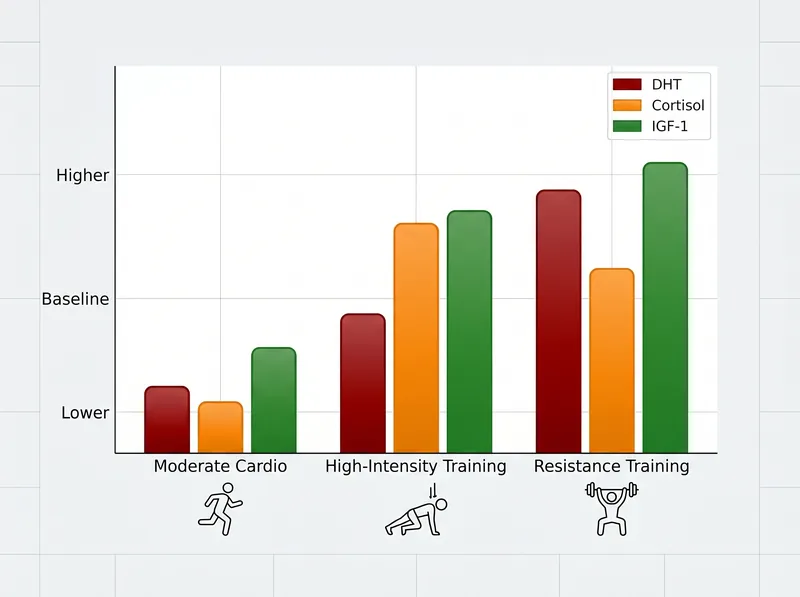 Resistance training and high-intensity exercise can temporarily improve DHT and cortisol, while moderate aerobic activity tends to improve hormonal balance for hair health.
The Nutrient Delivery Problem: Circulation Isn’t Enough
Here’s where the circulation story gets complicated. Increased blood flow only helps if the nutrients in that blood can actually reach the follicle.
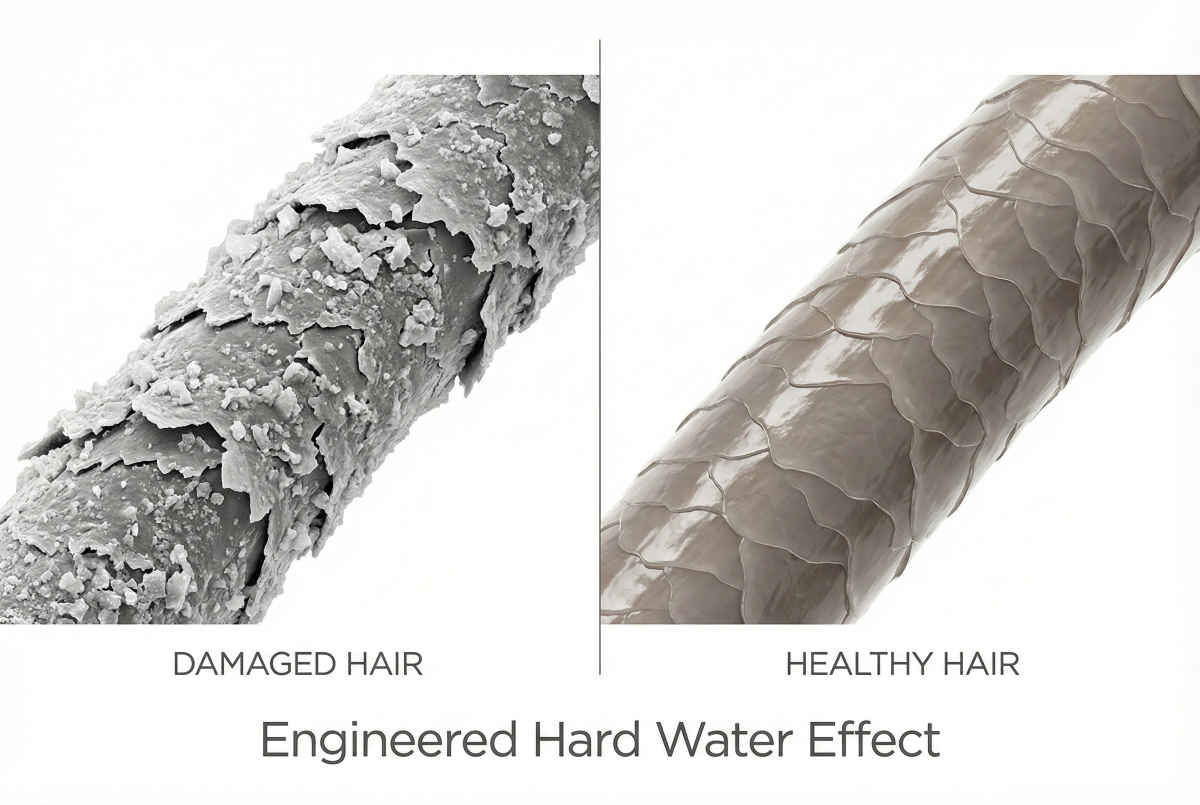
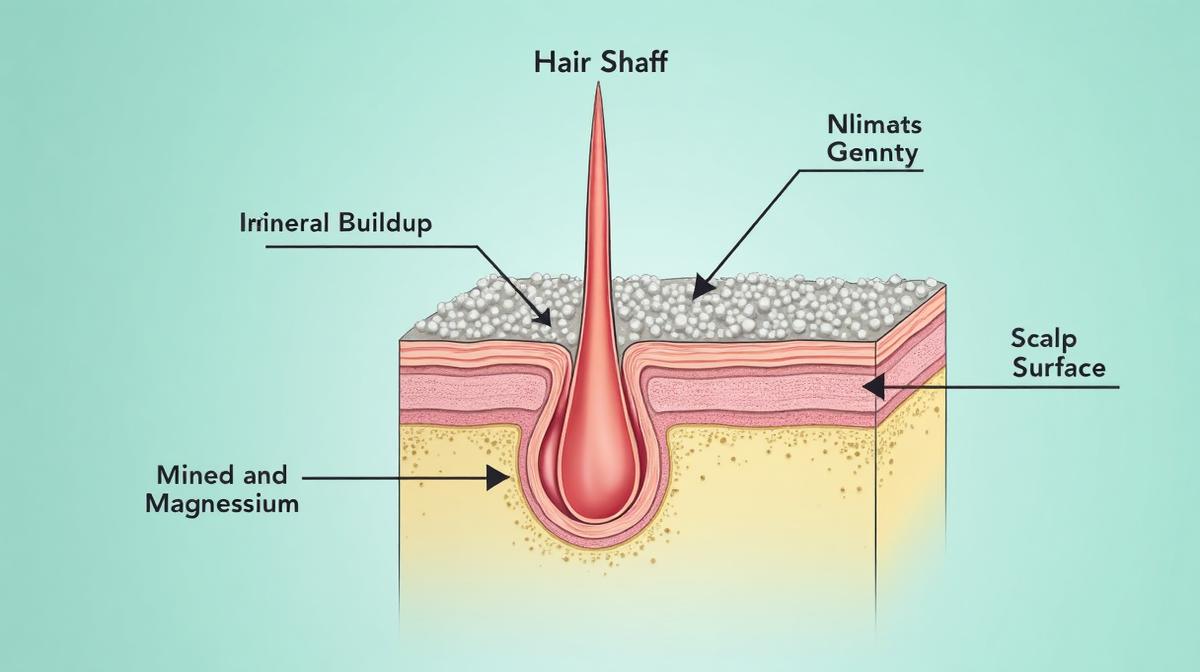
In the Gulf region, hard water is the silent changeor. Calcium and magnesium salts accumulate on the scalp, forming a mineralized layer that acts like a barrier. Even with perfect circulation, if the follicle opening is clogged with mineral deposits, nutrient uptake is impaired. It’s like trying to water a plant through a clogged hose, the pressure is there, but delivery fails.
This is why some people exercise religiously, eat impeccably, and still experience progressive thinning after moving to the region. The circulation is fine. The problem is environmental. A chelating shampoo like Regrowth+ addresses this by removing the mineral buildup that blocks nutrient delivery, allowing the improved circulation from exercise to actually benefit the follicles.
Think of it as a two-part system: exercise improves supply, but scalp hygiene ensures delivery. You need both.
What the Research Actually Shows
The direct evidence linking exercise to hair growth is limited. Most studies focus on circulation or hormones, not follicle outcomes.
One frequently cited 2017 study from South Korea found that aerobic exercise increased dermal papilla cell proliferation in mice, suggesting a potential growth-promoting effect. But mouse studies don’t always translate to humans, and the exercise protocol (forced treadmill running for 8 weeks) isn’t exactly replicable.
Human data is more modest. A 2021 survey-based study in the International Journal of Trichology found that people who exercised 3-5 times per week reported subjectively thicker hair compared to sedentary controls. But this was self-reported data, not objective measurement, and confounding factors (diet, stress, sleep) weren’t controlled.
The most honest interpretation: exercise probably helps hair health indirectly through improved metabolic function, reduced inflammation, and better stress management. The circulation boost is real but modest. Don’t expect a receding hairline to reverse from jogging alone.
Overtraining and Hair Loss: The Cortisol Connection
There’s a flip side to the exercise-hair relationship. Too much training without adequate recovery can trigger telogen effluvium, a form of temporary shedding caused by physiological stress.
Chronic overtraining improves cortisol, the body’s primary stress hormone. Sustained high cortisol shifts hair follicles from the growth phase (anagen) into the resting phase (telogen) prematurely. Three months later, you notice increased shedding. This is well-documented in endurance athletes, particularly those restricting calories while training heavily.
A 2018 case series in the Journal of the American Academy of Dermatology described five competitive runners who developed diffuse hair thinning after ramping up mileage for marathon training. Bloodwork showed improved cortisol and low ferritin. Reducing training volume and addressing nutritional deficiencies reversed the shedding within six months.
The lesson: exercise is a hormetic stressor, beneficial in the right dose, harmful in excess. If you’re training hard and noticing increased shedding, consider whether you’re recovering adequately. Sleep, nutrition, and rest days matter as much as the workouts themselves.
Practical Recommendations: Exercise for Hair Health
If you want to use exercise to support hair health, here’s what the evidence suggests:
Aim for 150 minutes of moderate aerobic activity per week. This aligns with general health guidelines and provides consistent circulation benefits without excessive hormonal changeion. Walking, cycling, swimming, and light jogging all qualify.
Include resistance training, but don’t overdo it. Two to three sessions per week is sufficient for metabolic benefits without chronically improving DHT. Focus on compound movements and adequate recovery between sessions.
Avoid extreme calorie restriction while training. Low energy availability changes thyroid function and sex hormones, both of which affect hair. If you’re training hard, eat enough to support recovery.
Monitor stress and sleep. Exercise should reduce stress, not add to it. If your workouts leave you exhausted rather than energized, scale back. Poor sleep negates many of the benefits of exercise, including those related to hair.
Address environmental factors. If you live in the Gulf, hard water is affecting your scalp regardless of how much you exercise. Use a chelating shampoo to remove mineral buildup and allow the circulation benefits of exercise to actually reach your follicles.
References
- Effect of exercise on scalp blood flow in humans - PubMed
- Aerobic exercise reduces DHT in men with metabolic syndrome - Journal of Clinical Endocrinology
- Resistance training and androgenic hormone response - ScienceDirect
- Aerobic exercise promotes hair growth through dermal papilla cells - PubMed
- Exercise frequency and self-reported hair health - International Journal of Trichology